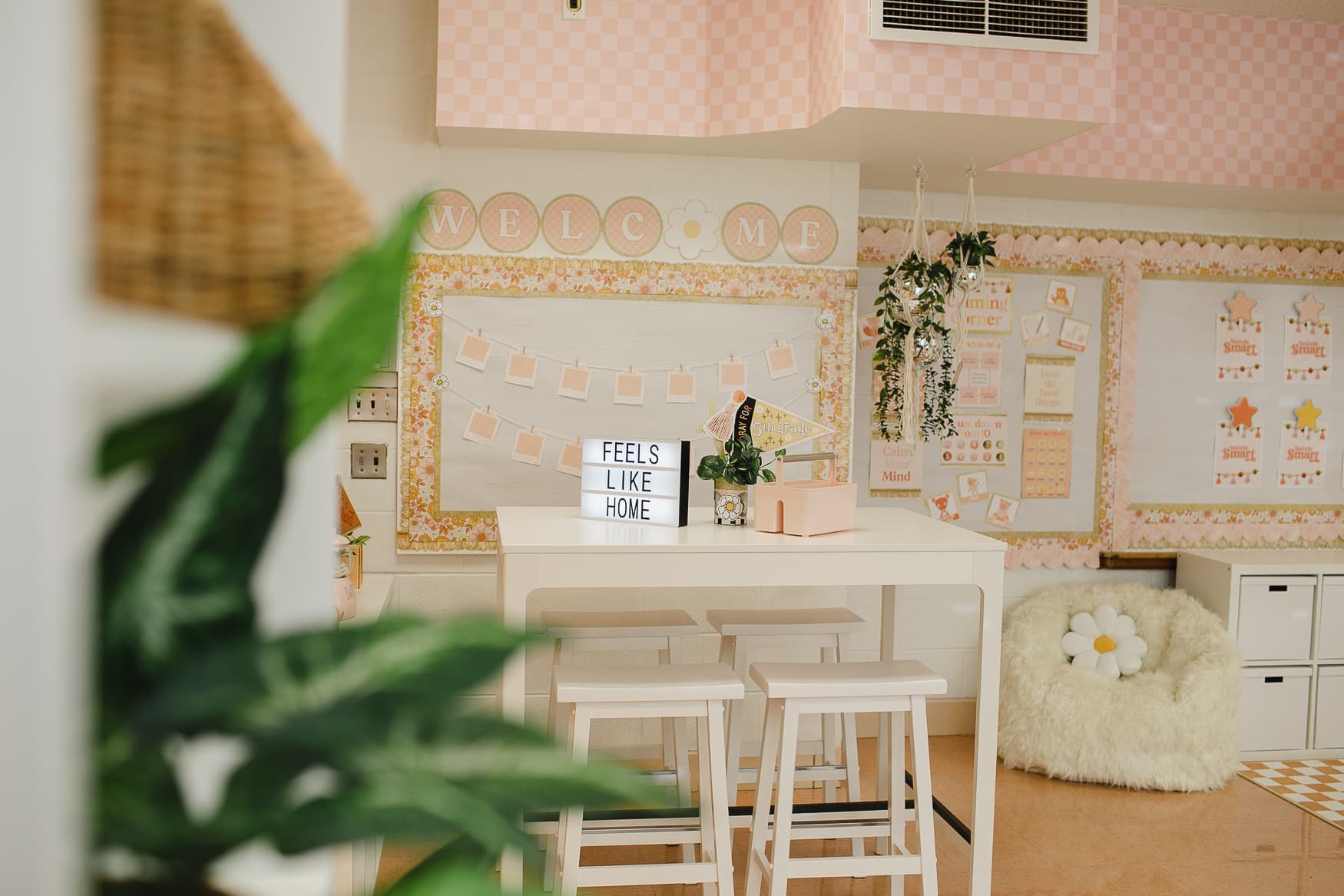
The mid-year slump is real but so is the opportunity for a reset! This guide will help you clear clutter, refocus routines, and bring new energy into your space, all without the pressure of a total transformation.
The new year is the perfect time to hit refresh on your classroom! A midyear reset boosts calm and learning readiness by simplifying visual clutter, tightening organization, refining classroom zones, and reteaching core routines. Practical steps include editing displays, purging and relabeling supplies, adjusting seating and calm-down spaces, and adding just one seasonal touch.
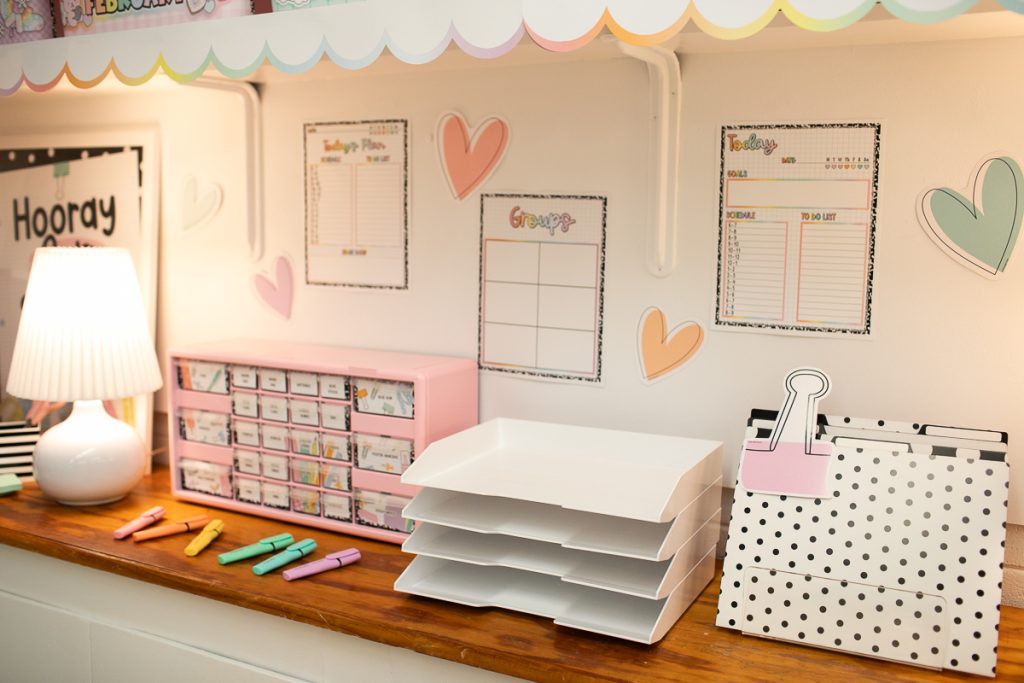
Refresh Visual Clarity
Focus on what students see every day. A visually calm classroom helps students reenter routines with more focus and regulation. Rather than adding new displays, start by editing what’s already there.
Suggestions:
- Remove outdated anchor charts
- Rotate student work displays
- Simplify one bulletin board
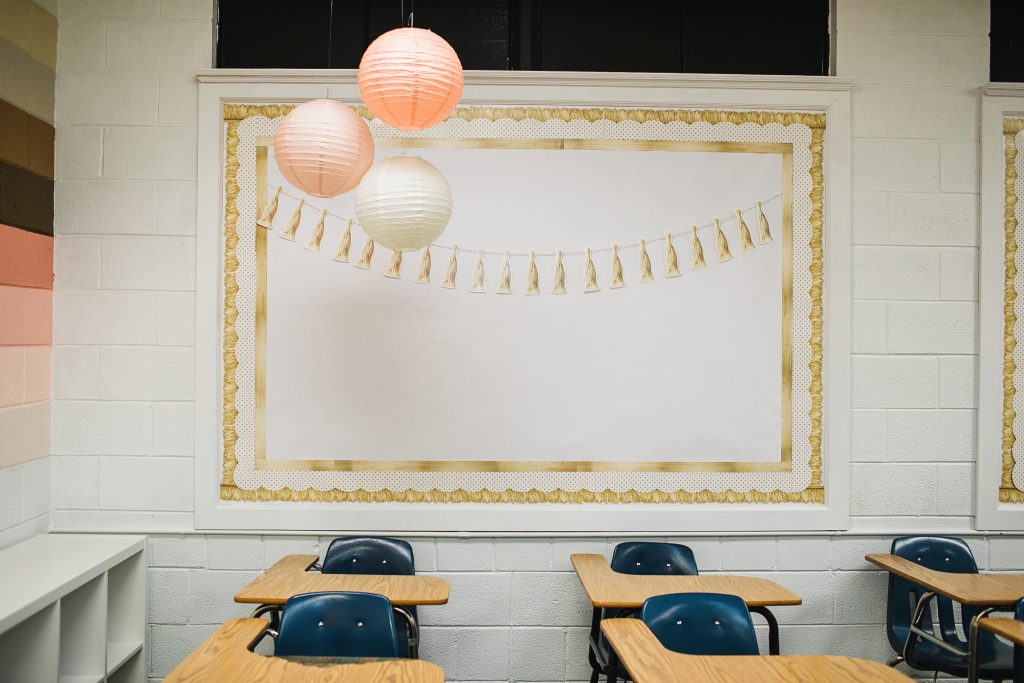
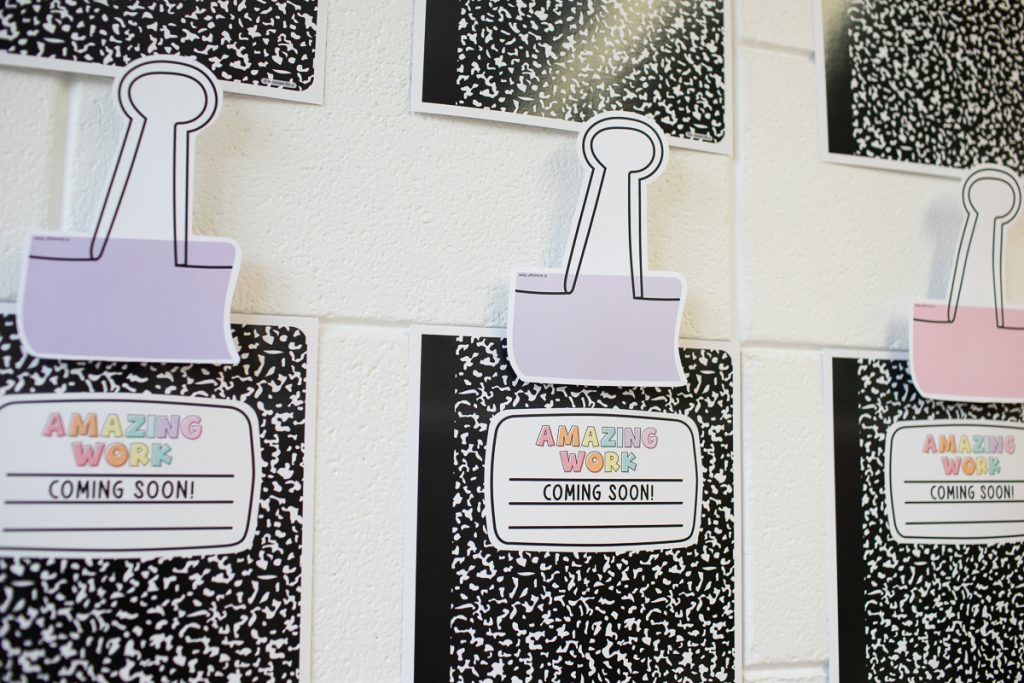
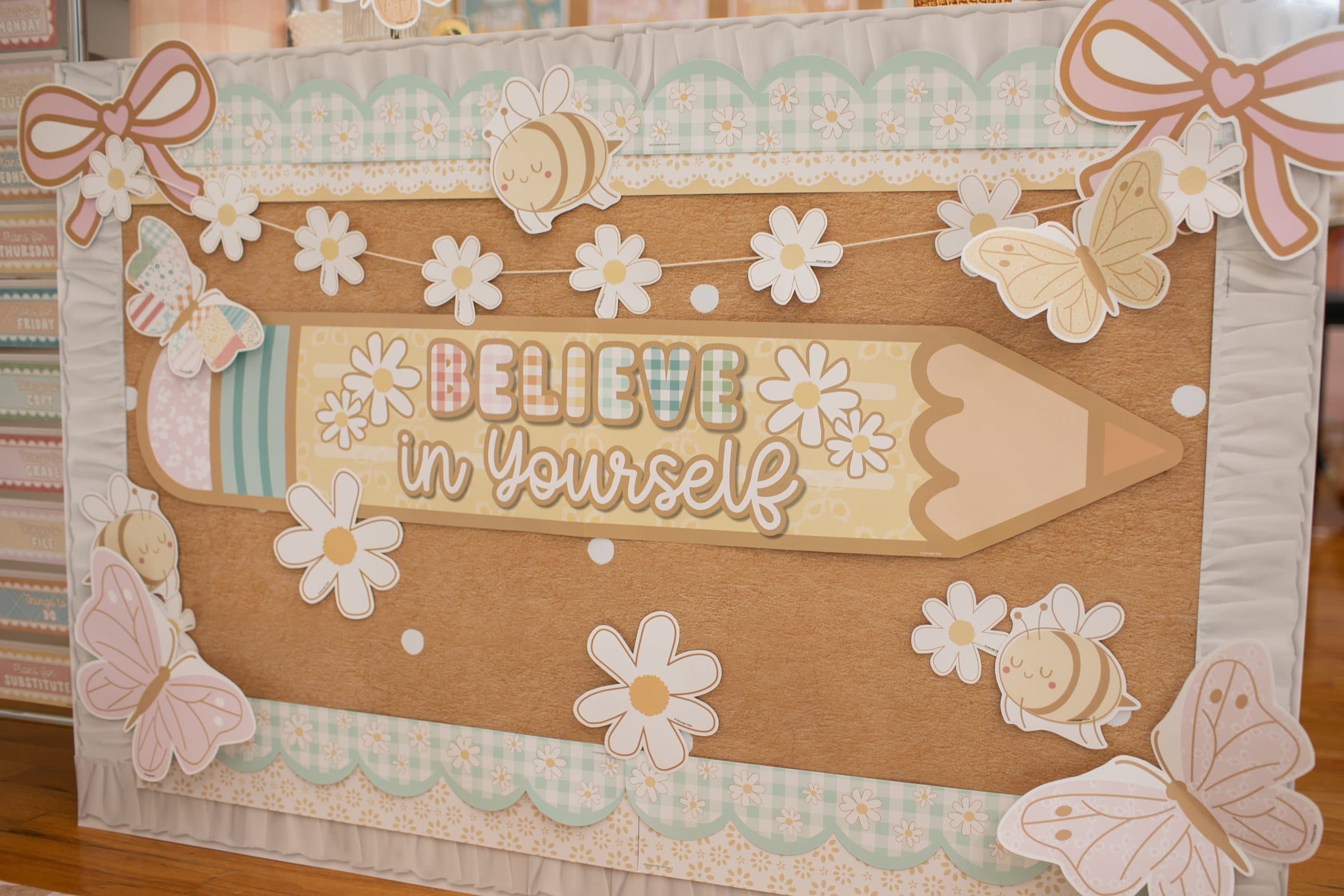
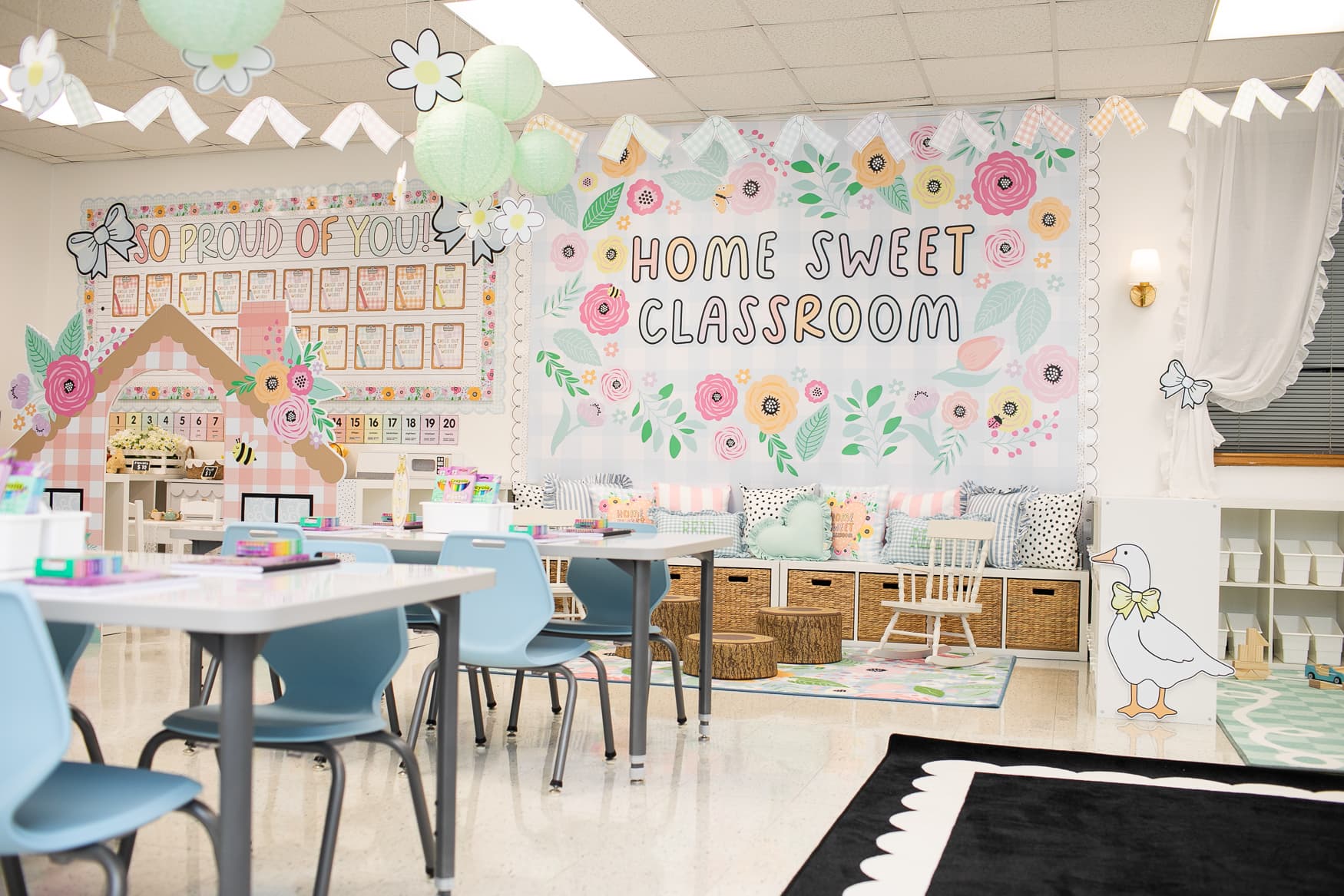
Many teachers find it helpful to reset visual clarity by choosing a neutral bulletin board base that can stay up all year and be layered with small seasonal touches.
Reset Classroom Organization
The midyear mess is real. Organization is one of the fastest ways to change how a classroom feels, especially when students are relearning routines.
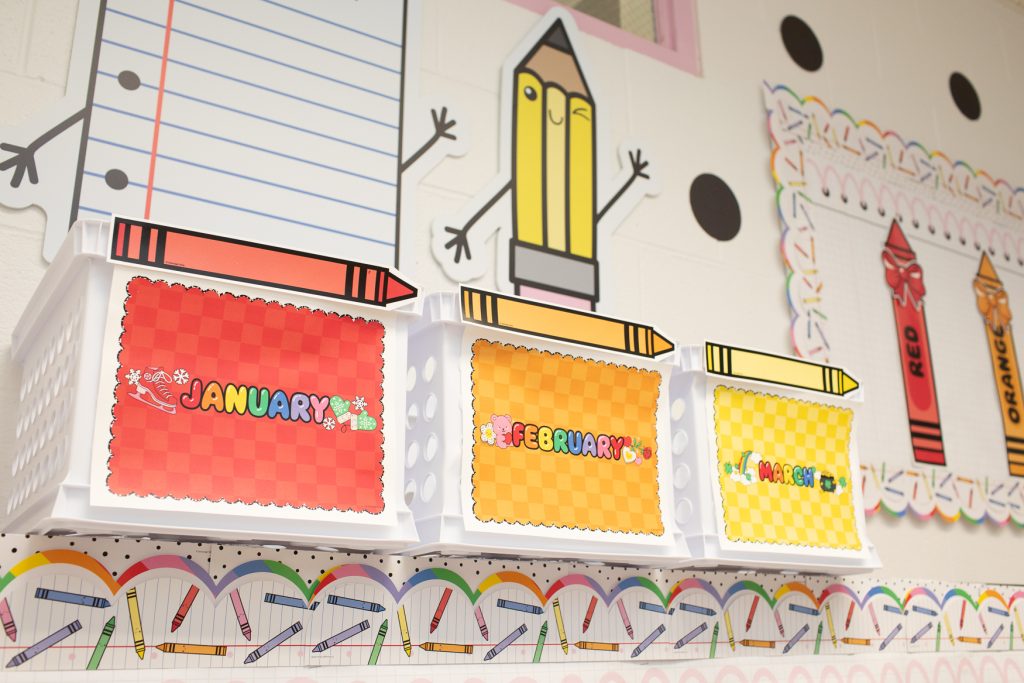
Suggestions:
- Purge one supply bin per week
- Re label shared materials
- Re establish clear storage routines
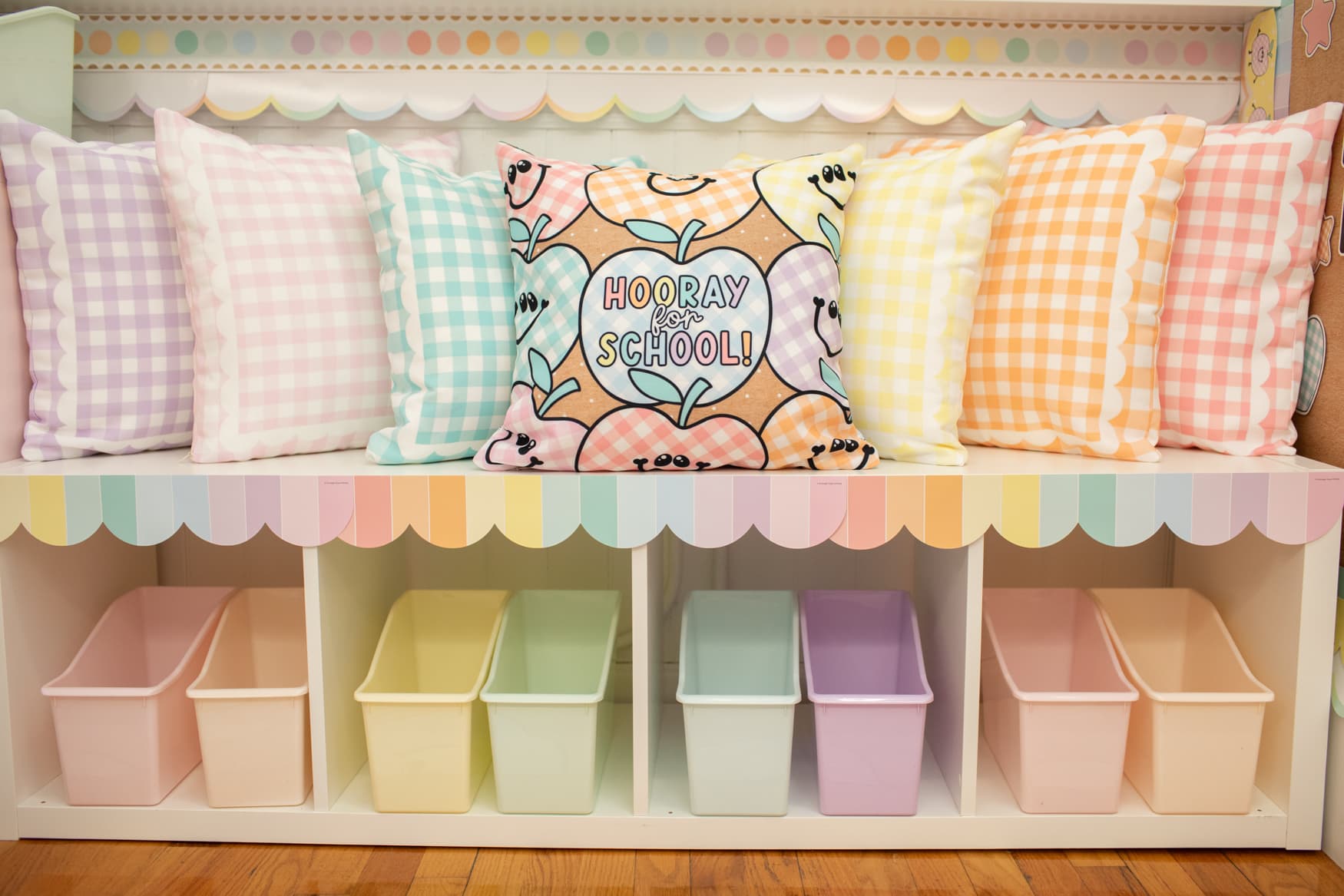
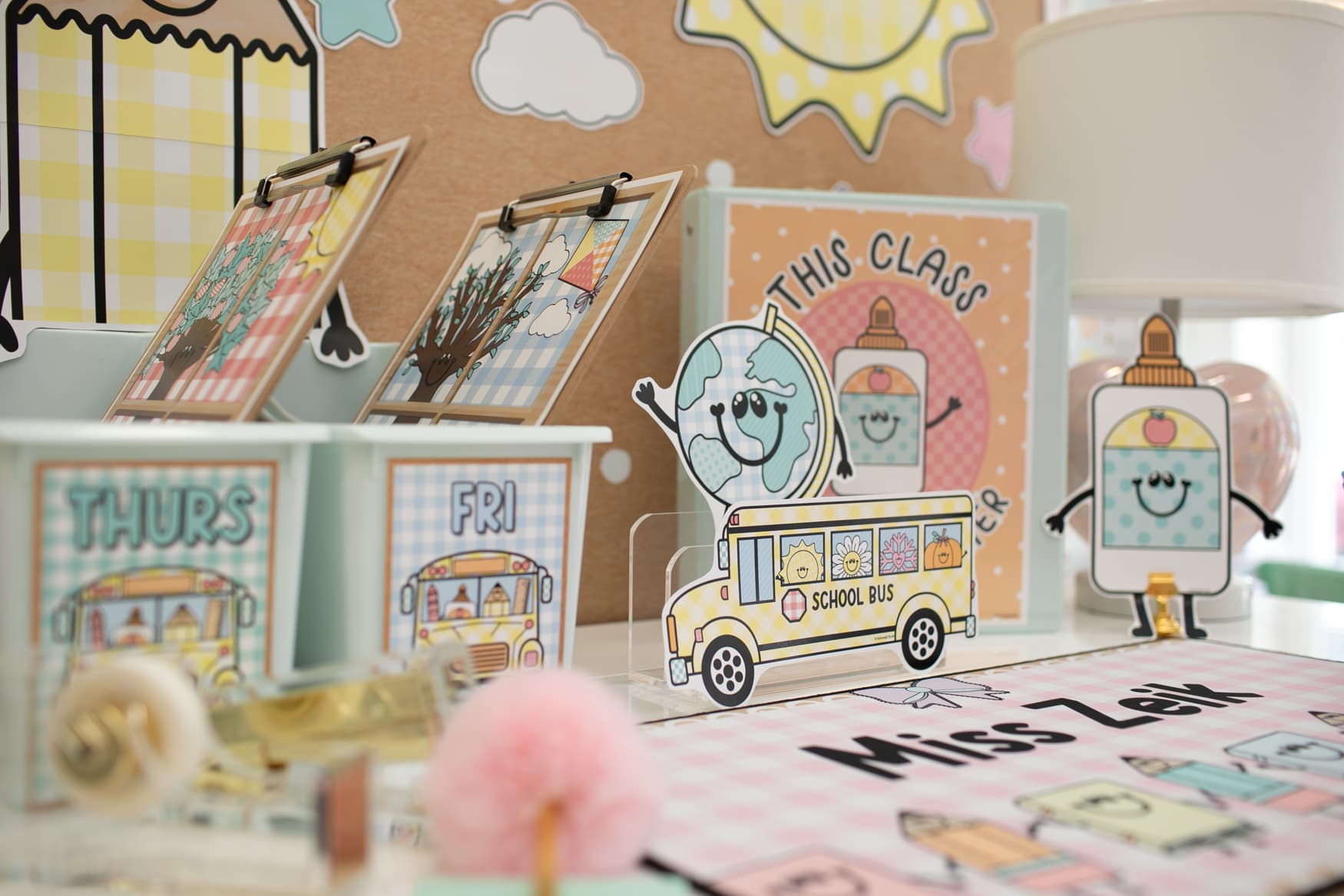
Matching labels across bins, drawers, and shared spaces helps students quickly remember where items belong, supporting independence and reducing daily interruptions. Check out the classroom organization and management page on our website to find what works for you!
Revisit Classroom Zones
Students change as the year goes on. For example, if you’ve noticed a child had a hard time last semester, try seating them by the window for the new year. Window areas can be found to contribute to significant stress reduction and attention restoration in students. Taking the time to change seating charts or even moving some furniture around can go a long way!

Suggestions:
- Adjust seating for attention needs
- Refresh calm down spaces
- Make small layout tweaks that improve flow
Clearly defined zones like calm down spaces are easier for students to use independently when visuals are consistent. We have a full SEL section on our website that provides several resources to help you refresh your classroom!
Refresh Classroom Routines
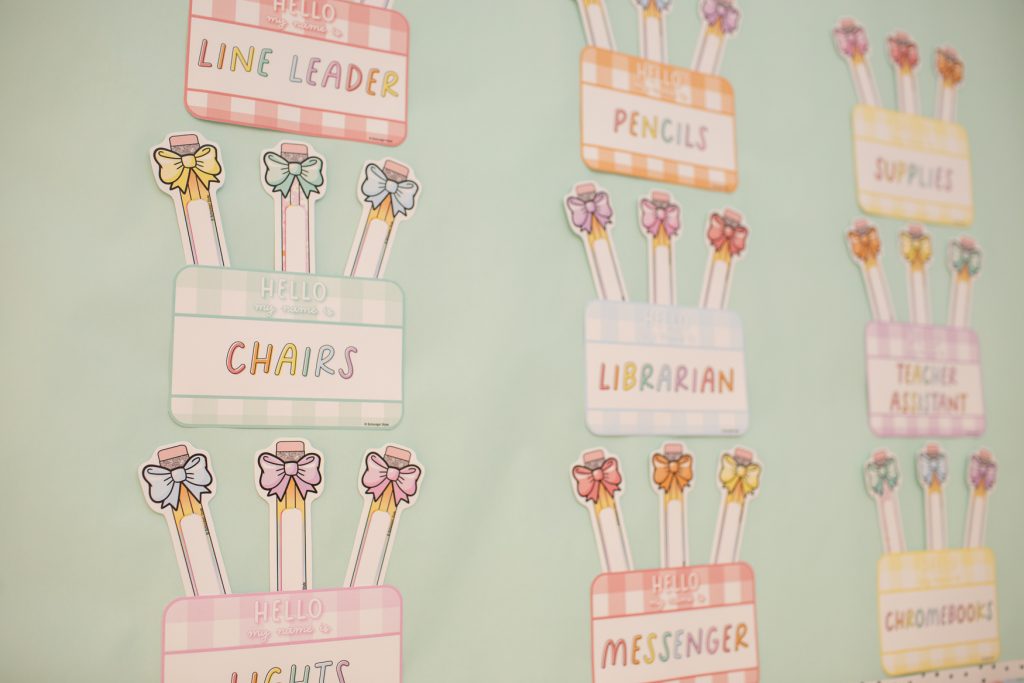
Winter is a good time to reteach expectations. Decor that clearly explains behavioral expectations, procedures, and classroom norms can make the day run more smoothly and set a positive tone for the second half of the year.
Suggestions:
- Reset arrival routines
- Clarify independent work procedures
- Add a predictable end of day routine
Add One Seasonal Element (Keep It Simple)
Instead of changing everything, add one winter element that complements your setup. Go ahead and shop Schoolgirl Style’s winter decor collections now!
Examples:
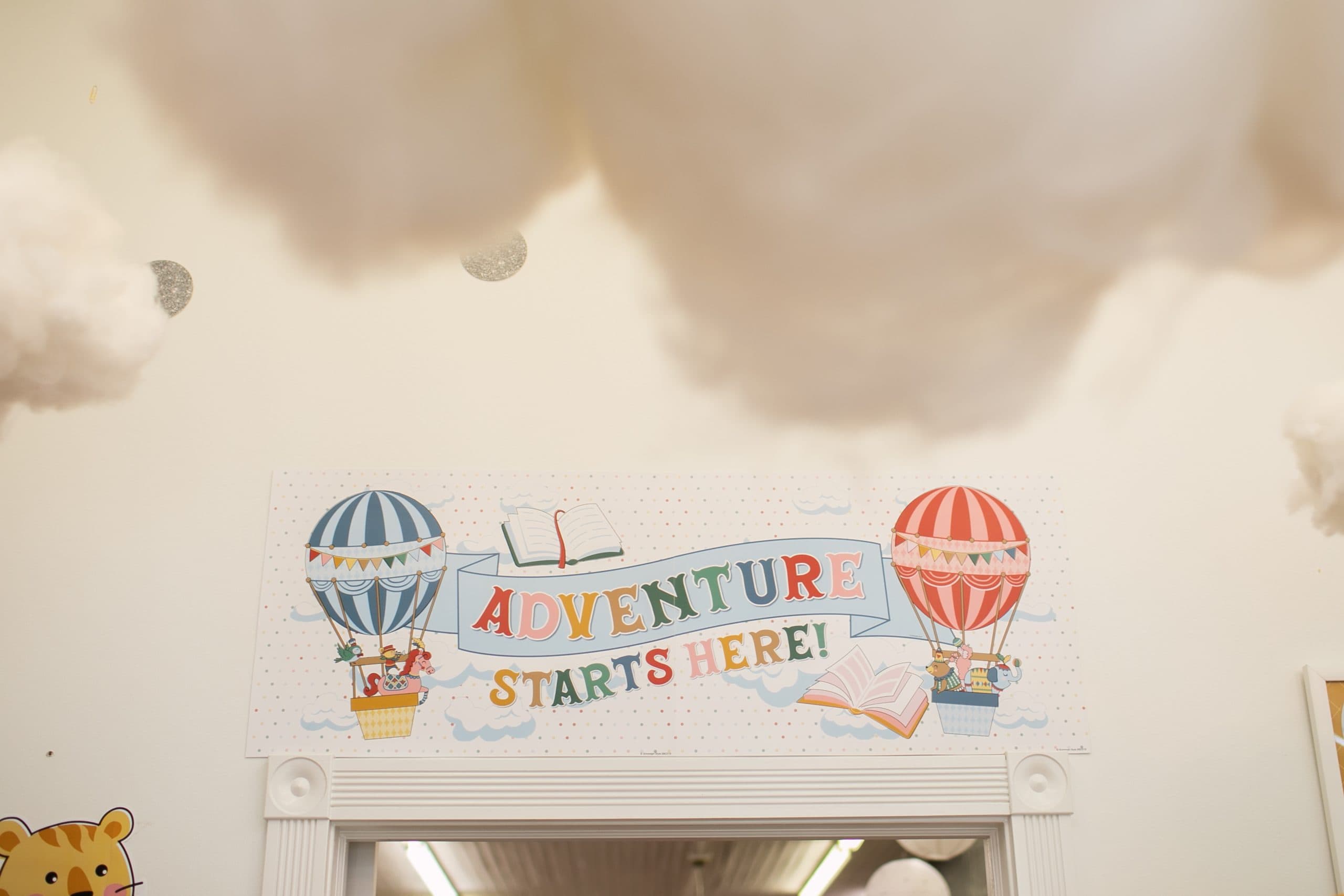
- Festive door decor
- Wintery bulletin board
- A seasonal writing prompt

A winter classroom refresh is not about perfection. It is about creating a space that supports you and your students through the hardest stretch of the year! Explore more classroom organization tools, decor, and teacher resources on ShopSchoolgirlStyle.com!
Frequently Asked Questions
Question: What is a midyear classroom reset, and why do it?
Answer: It’s a focused refresh of your classroom’s visuals, organization, zones, and routines after winter break to restore calm and readiness to learn. The reset prioritizes editing what’s already in the room—simplifying displays, purging and relabeling supplies, adjusting seating and calm-down spaces, and reteaching core procedures.
Question: I don’t have time to redecorate. What’s the fastest way to improve visual clarity?
Edit before you add. Remove outdated anchor charts, rotate current student work, and simplify just one bulletin board. Then, choose a neutral bulletin board base you can keep up all year and layer on small, seasonal touches as needed. This keeps the room visually calm, reduces distraction, and makes any new content easier for students to notice.
Question: How can organization tweaks reduce disruptions and boost student independence?
Answer: Tighten labeling and storage routines so students know exactly where things live. Quick wins include purging one supply bin per week, relabeling shared materials, and reestablishing clear storage expectations. Matching labels across bins, drawers, and shared spaces helps students return and retrieve items without asking, which cuts interruptions and supports smoother transitions.
Question: How should I rethink seating and classroom zones midyear—especially for students who struggled last semester?
Answer: Adjust zones to current needs. Try seating a dysregulated or easily fatigued student near a window; views of nature have been linked to stress recovery and attention restoration. Refresh calm-down spaces and make small layout tweaks to improve traffic flow.
Question: Do I really need to reteach routines after break, and can decor help?
Answer: Yes! Midyear is ideal for reteaching expectations. Reset arrival routines, clarify independent work procedures, and add a predictable end-of-day routine. Support these with clear, visible decor that explains behavioral expectations and classroom norms so students have constant, low-effort reminders that guide their choices.
Citations
Li, D., & Sullivan, W. C. (2016). Impact of views to school landscapes on recovery from stress and mental fatigue. Landscape and urban planning, 148, 149-158.
Meng, X., & Zhang, M. (2025). Effects of classroom design characteristics on children’s physiological and psychological responses: A virtual reality experiment. Building and Environment, 267, 112274.

Share the Style!