Ready to land your first teaching job? Here are some practical tips and common questions to help you walk into your interview with confidence!
Congrats on landing the interview! You’ve already proven you’re a solid candidate. Now comes the fun part: showing principals exactly who you are and why they should be excited to have you on their team.
Principals aren’t looking for perfection. They’re looking for someone who genuinely cares about kids and thinks intentionally about teaching. You’ve already got that. Now let’s make sure the interview reflects it!
What Prep Should I Be Doing for My Interview?
Interviews can feel intimidating, but preparation builds your confidence. When you know the school’s mission and have your own stories ready, you walk in feeling grounded and reassured!
Research the school. Spend some time looking through their website. What’s their mission? Any recent initiatives?
Know your “Why.” Be clear on why you want to teach this grade or subject and why you’re interested in this specific school.
Prepare a few good stories. You’ll probably get asked about a challenging student or a time you problem-solved. Have 3-5 specific examples ready. Use the STAR method: Situation, Task, Action, and Result to answer the question. Schools want to see you how you think through problems and come up with a solution.
Example: “I had a student who shut down during group work. So I created a quiet option where he could participate at his own pace. By week three, he was raising his hand again.” Stories like this show you don’t just identify problems, you can actually solve them.
What Kind of Questions Will I Get Asked?
While every interview is different, most hiring committees are looking for the same thing: a teacher who is prepared, reflective, and deeply invested in student success. To help you feel confident, we’ve rounded up some questions you may be asked!
“Tell us about your teaching philosophy.”
What do you believe about how kids learn? How do you want them to feel in your classroom? Keep it real and under 90 seconds.
Sample answer: “I believe every student can succeed when they feel safe and supported. I use small-group instruction and peer feedback to meet students where they are!”
“It’s the first week of school. How do you establish your routines and procedures?”
This is your chance to show that you are leader who uses clear systems to create a calm and focused learning environment.
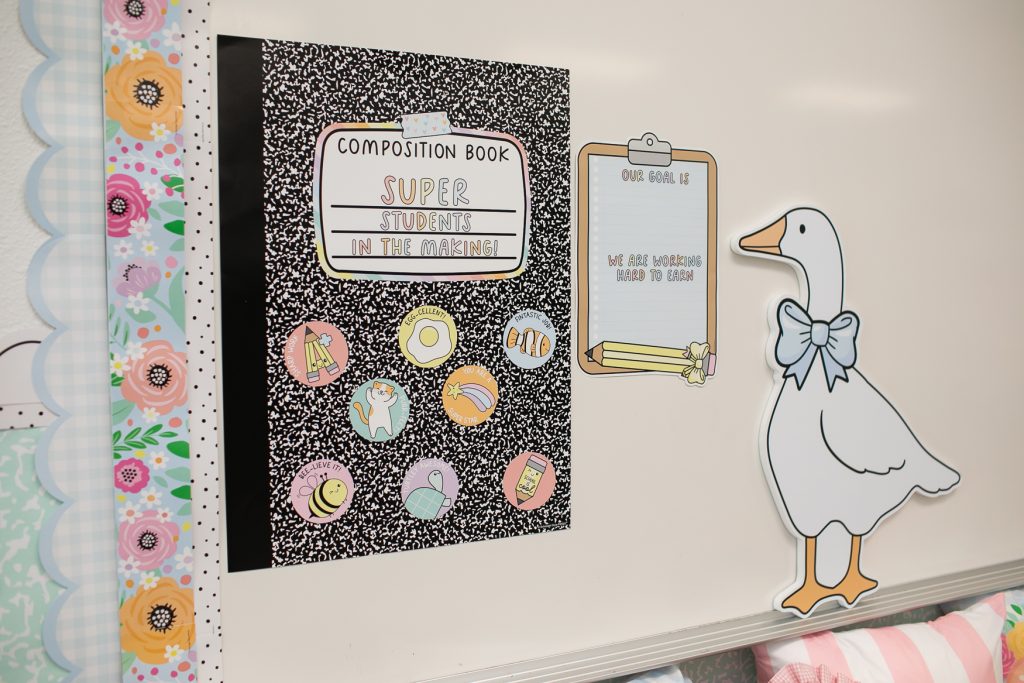
Sample answer: “To make routines stick, I love using Voice Level Charts and Visual Supply Labels because they act as helpful visual guides for the kids. I want my students to feel proud of their progress, so I also use Incentive Charts to celebrate our wins and build a strong classroom community.”
“Walk us through your process for planning a unit from start to finish.”
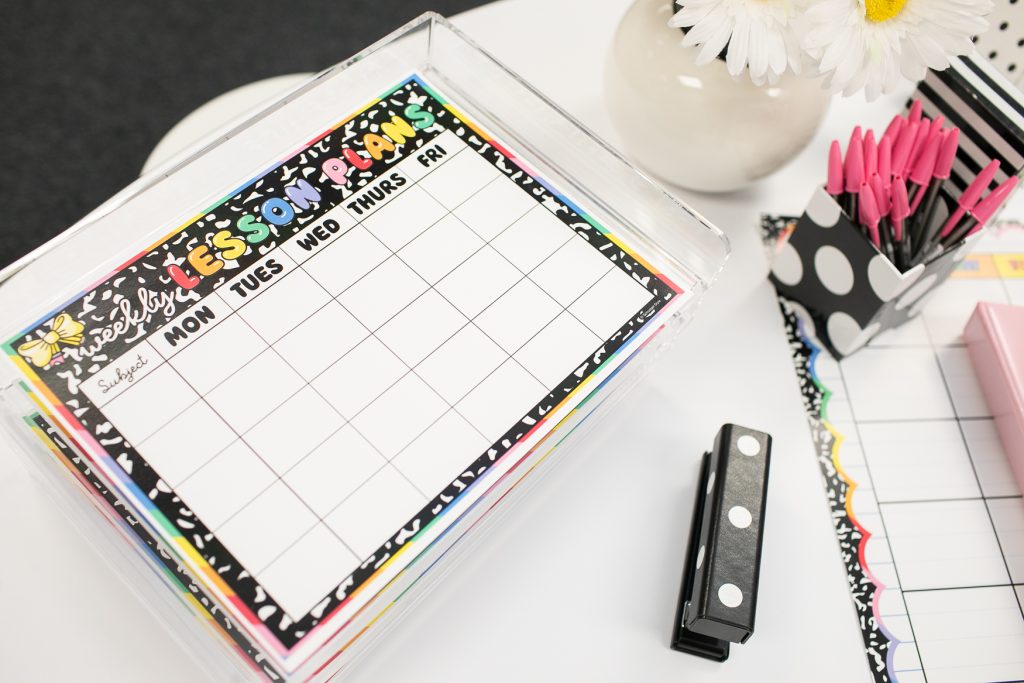
They want to see that you are intentional and every activity has a clear purpose.
Sample answer: “I start with the standards and learning goals, then work backwards from the final project or assessment. I map out mini-lessons and activities that build toward that goal. During the unit, I use exit tickets and quick checks as I go.”
“How do you work with families?”
You communicate regularly, listen, and respect different backgrounds and situations.
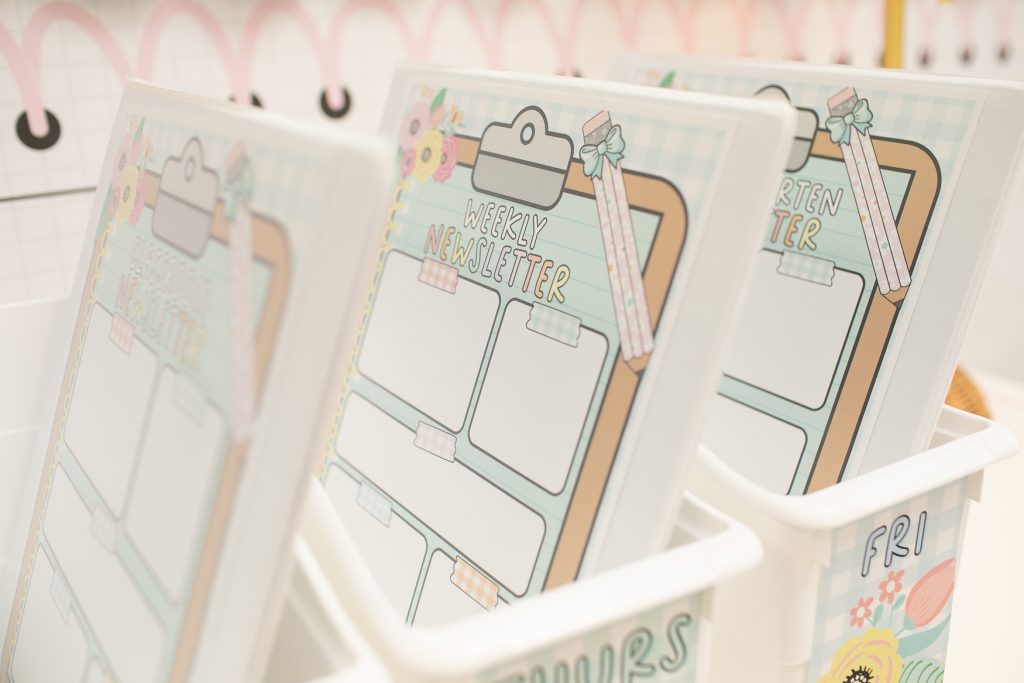
Sample answer: “I believe families are crucial to student success. I plan to send home regular updates through a weekly newsletter. I’ll also make positive phone calls early in the year, not just when there’s a problem.”
“What is an area of growth you’ve identified for yourself this year?”
When an interviewer asks about your growth, they want to see that you are self-aware and proactive.
Sample answer: “I’ve realized that while I’m great at the big picture, I want to become more intentional with how I track small, daily student wins.” This shows you’re committed and always looking for ways to better support your kids.
Ho Do I Use My Teaching Portfolio?
If you haven’t built your base yet, that’s okay! Check out our previous post on How to Create a Teacher Portfolio to get your foundation set. In your interview, you can point to your portfolio using these quick “bridge” sentences to connect your words to your work:
- Show your strategy: “This is how I lesson plan and the resources I use for sequential learning.”
- Show your systems: “I label and organize everything. It saves us time and helps the kids build real independence.”
- Show the results: “Look at where this student started and where they ended, these are my notes on how I coached them toward that goal.
What Should I Be Asking Them in My Interview?
Ending the interview on a high note is all about shifting the focus to your future role within their community. Asking these types of questions shows you aren’t just looking for any job, you’re looking for the right fit!
- “What would success look like for me in my first year?”
- “How does your school support new teachers?”
- “What’s one thing you wish more teachers understood about this school?”
- “What are the biggest goals the school has for its students this year, and how can I best contribute to reaching them?”
You’re Going to Do Amazing!
Take a deep breath and remember that you were called to be a teacher for a reason. Your passion, your heart, and your unique vision are exactly what the right school is looking for.
Principals know that first-year teachers don’t have all the answers. You’ve done the work and now it’s time to let your personality shine. Show them the amazing teacher you’re going to be!
When you’re ready to start building your dream classroom, head over to our New Teacher page for design tips and curated essentials! Also, you can browse the full Schoolgirl Style website for all the inspiration you need to make your first classroom feel like home!
Frequently Asked Questions
1. How early should I start preparing for my interview?
It’s best to start gathering your portfolio and practicing your answers at least two weeks out so you feel calm and prepared.
2. What should I wear to a teaching interview?
Aim to dress professional, business casual is usually the standard, but make sure you feel comfortable and like yourself.
3. What if I don’t have an answer to a specific question?
Don’t panic, it’s okay to take a breath and say, “That’s a great question, let me think about that for a second,” before responding genuinely.
4. How long should my interview answers be?
Try to keep your responses between 60 and 90 seconds, you want to make sure to keep the conversation moving!
5. Should I send a thank you email after the interview?
Absolutely! Sending a quick, thoughtful email within 24 hours is a great way to show your appreciation and keep your name at the top of their list!
Last updated 4/24/26

Share the Style!